Complete Buyer’s Guide: Choosing The Right Blind Spot Warning System for Any Vehicle
Blind spots exist regardless of the type of vehicle, whether you are driving a work van, RV, or commercial truck. The larger the vehicle, the more challenges you have in handling hidden zones.
This is where you need a blind spot warning system. The system helps in not just adding convenience, but also reduces the risks and helps in making safer decisions.
Finding the right one that aligns with your vehicle, driving style, and work requirements requires a detailed understanding of what will work.
Here is a guide to break down what you should look for, must-have features, and everything else to keep your vehicle ready for the job every single day.
What Is a Blind Spot Warning System?
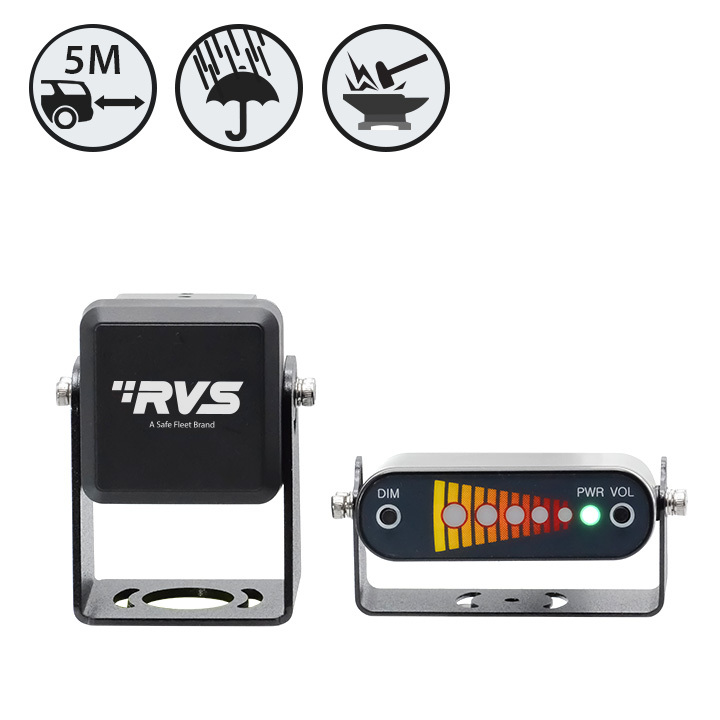
A blind spot warning system uses sensors, which can be radar, ultrasonic, or camera detection. The system helps in monitoring areas that can be easily seen through mirrors.
When there is a vehicle, pedestrian, cyclist, or object entering the blind zone, the system sends beeps, LEDs, or visual indicators to the display as alerts.
For larger vehicles such as box trucks, RVs, and cargo vans, the blind spot can extend much farther back and along both sides.
In such cases, pairing your vehicle's sensors with wireless backup cameras for RVs or a rear visibility system can add more accuracy and a real-time view of the surroundings.
Key Features That Make The System Worth Investing in
When you choose your system, having the right blind spot setup should offer reliability.
However, not all systems are built to provide the same result. The features ensure how they will perform for different vehicles.
These features include:
- Radar-Based Detection:Radar provides you most stable and accurate blind spot monitoring. It works especially best at highway speeds, ideal for long vehicles with extended side blind zones.<
- Adjustable Sensitivity & Detection Range:The system should be able to provide how far its seniors can tune for detecting objects. Long vehicles need longer detection distances, whereas urban drivers may prefer tighter detection.
- Visual & Audible Alerts: For maximizing the system, especially in a noisy environment, look for layered feedback which includes LED light for side alert, display, or camera view for confirmation whereas audible tone for immediate risks.
- Wide Angle Camera SupportPairing sensors with cameras and easy integrations to your existing system to give a clear visual, especially for RVs or vans with no rear windows and a larger blind spot.
- Weatherproof & Vibration Resistant: A proper protection for sensors against rain, heat, vibrations, or road debris can ensure the accuracy for commercial and off-road vehicles that experience harsher environments.
Read More: How Driver Monitoring Systems Are Transforming the Trucking Industry
Choosing the Right System Based On Vehicle Type & Driving Style
Keeping features aside, choosing the right system aligns with both your driving style and can help optimize the system. It Includes :
RVs & Motorhomes
RVs have some of the largest blind zones, which makes choosing the right system crucial.
Often, it needs multisensor setups because a single unit can't cover the full length. When you pick, consider these :
- Long-range radar systems to detect vehicles farther down the blind lane>
- side-view cameras to confirm alerts visually
- Integration with your backup camera systems
- Adjustable alerts for towering<
- Night optimized sensors for handling dark rural highways.>
Commercial Vans & Work Trucks
Vehicles like cargo vans, utility trucks usually suffer from blocked rear visibility due to their tall side panels.
Also, having wide-angle visual confirmation is a must for delivery routes and construction zones. Besides these, look for :
- Radar sensors are placed at the rear corners
- RSide cameras or mounted display options
- RAlerts when lane changing or merging
- RWeatherproof sensors (IP67+) to handle job site debris, dust, and rain.
- Easy-to-train interface for multiple drivers or fleets
Pickup Trucks & Daily Drivers
Pickups have moderate blind zones, especially because of tonneau covers, trailers, and lifted suspensions.
If you handle a mix of highway and city traffic, here is what to consider :
- Compact radar system near bumper or taillights
- Camera pairing for trucks that tow RVs, boats, or equipment.
- Strong filtrations against the false alerts
- Sensitive modes when you haul wide loads
- Mirror-mounted LED indicators to provide quick side alerts
Heavy or Larger Commercial Vehicles
Heavy trucks or commercial vehicles need broad and precise detection because you operate around tight trucks, pedestrians, and cyclists more often.
Look for :
- Wide detection angle to provide better environment awareness.
- Multiple side cameras covering front, mid, and rear sections.
- Turn assist alerts for preventing ride-side accidents
- Hardware built to withstand long daily operation hours.
- Anti-glare displays for handling sunny outdoor routes
Also Read: Best Backup Cameras for RV Trailers, Horse Trailers & Boat Trailers
Installation & Compatibility Basics To Optimize Your System
Even the best blind spot warning system fails to work correctly if it isn't installed properly.
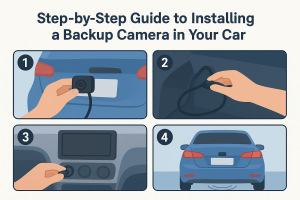
Here are a few basic things to help in installation and compatibility for optimizing the system.
- Ensure Correct Sensor Height: Sensors mounted too high or too low may end up misreading the surroundings of the vehicles or miss entirely.
- Follow The Ideal Sensors Angles: Improper angles cause false alerts or gaps, which is why side sensors should face parallel to the end, and rear sensors should avoid being tilted upward or downward.
- Right Camera Placement Matters: Mount cameras right, high enough to avoid spray, low enough to offer full coverage, and away from ladders or racks, or doors to avoid blocked views.
- Test Before You Do Final Mounting: Doing a temporary mounting helps in checking the blind zones before you finalize the drilling or commit to the final placements.
Also Read: Top RV Backup Cameras of 2025: Features, Pros, and Cons
Conclusion
Inventing the right blind spot warning system means you choose technology that aligns with your vehicle size, driving habits, and work environment.
Whether you manage a fleet or operate a cargo van daily, the right system helps boost confidence, reduce avoidable accidents, and fill visibility gaps where your mirror can't cover.
By focusing on essential features, select the hardware that is vehicle-approved. We at RearView Safety ensure you have a system design for your vehicle and operational requirements.