Safer Trailer Operations with Connected Backup Camera Systems for Fleets
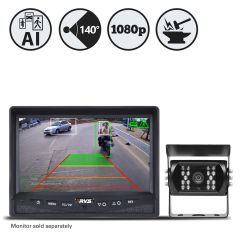
Blind spots are a constant challenge when operating large commercial vehicles. Rear-view mirrors and backup cameras help improve visibility but still don’t completely eliminate the risk behind a vehicle during reversing and low-speed maneuvering. According to the National Highway Traffic Safety Administration (NHTSA), back-up crashes result in an average of 263 fatalities and more than 10,000 injuries each year in the United States, with many incidents occurring in parking lots and loading zones where rear visibility is limited.
Backup camera systems have since become widely adopted to help reduce these risks, giving drivers a clearer side and rear view when backing up or parking. Yet many tractor-trailer fleets still operate trailers without integrated camera visibility. When trailers are exchanged between vehicles or operate separately from in-cab systems, rear visibility gaps remain during docking and reversing.
Safety solutions such as connected camera systems[LH4.1] with additional cameras, sensors, telematics, and AI integrations can help extend visibility from the truck to the trailer. This article explores how connected backup camera systems can help improve safety and awareness for tractor-trailer fleet operations, reducing collision risk and creating a safer, more efficient work environment.,/p>
Why Trailer Visibility Remains a Challenge for Fleets
Fleets operating tractor-trailers manage demanding schedules, heavy traffic, adverse weather conditions, and maneuvering large vehicles safely in tight spaces. Limited rear visibility increases exposure to collisions, property damage, liability claims, and workplace injuries during everyday operations.
The size and design of trailers also make it difficult to detect obstacles and pedestrians, especially during reversing and docking. Unlike systems installed directly on a truck, trailer visibility does not always transfer when equipment changes between vehicles, leaving gaps in driver awareness at key moments.
Other factors that increase these challenges include:
- Extended blind zones behind trailers: The length and height of trailers create areas that mirrors cannot fully cover, especially during reversing.
- Frequent reversing and docking maneuvers: Drivers must position trailers precisely in tight spaces where limited visibility increases the chance of contact incidents.
- Busy loading environments: Workers, forklifts, and moving equipment often operate close to trailers, requiring clearer rear awareness.
- Trailer movement between vehicles: Trailers regularly move between tractors, making fixed visibility systems difficult to maintain across equipment.
- Limited visual records after incidents: Without camera footage, determining what occurred during low-speed impacts or property damage can be difficult and may lead to higher liability or compensation claims.
Air Vue™ Advanced Backup Camera System for Trailer Fleets
Trailer fleets operate with multiple trailers assigned to a single tractor, and equipment often moves between vehicles owned by different companies. This makes traditional backup camera systems difficult to scale, since cameras installed on the tractor can only connect to one trailer, requiring separate camera installations on every trailer, which increases cost and complexity.
The Air Vue Advanced system is a wireless camera solution engineered for tractor-trailer fleets to make moving between trailers easier. With a wireless range of up to 300 feet from cab to trailer, the system maintains reliable visibility and integrates with leading telematics platforms for real-time monitoring.
Rear View Safety’s Air Vue™ Advanced Backup Camera System provides seamless camera-to-monitor pairing designed for trailer fleet operations. The system features up to six cameras, integrated sensor compatibility, and telematics connectivity within an upgraded housing designed to withstand rough use. Fast wireless installation helps fleets deploy the system with minimal downtime, and automatic pairing requires no driver input. This allows drivers to maintain clear trailer visibility as equipment moves between tractors.
The Air Vue system allows fleets to personalize their safety setup by capturing video and audio from multiple trailer locations through wireless transmitters, giving fleets more control over how visibility is configured based on vehicle type and operational needs.
- Eliminates manual trailer camera pairing by automatically connecting the camera to the in-cab monitor when trailers change
- Reduces driver interaction with button-free operation that activates when the vehicle is powered on
- Maintains trailer visibility with long-range wireless transmission up to 300 feet from the cab to trailer
- Expands coverage around the vehicle with support for up to six cameras for trailer, front, and side blind spots
- Works with Air Vue™ monitors to match different fleet and vehicle requirements
Expanding Visibility with Integrated Safety Systems
The Air Vue system can be further personalized by integrating additional Rear View Safety systems that add camera coverage, detection, and recording capabilities for improved fleet monitoring and visibility.
RVS InView 360° HD Bird’s-Eye View System for Complete Surround Visibility
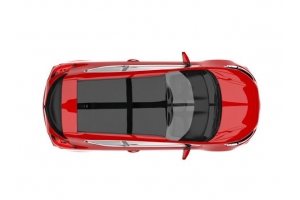
The RVS-03-360 inView 360° system provides a real-time, top-down view around the entire vehicle to reduce blind spots during low-speed maneuvers. Using four wide-angle cameras combined with AI object detection, the system helps drivers identify pedestrians and obstacles near the vehicle. Built-in recording captures HD video for incident review and documentation.
LedgeAlert AI Cargo Ledge Safety System for Fall Prevention
LedgeAlert is a cargo-ledge fall‑prevention system that uses advanced AI technology to detect potential falls at the back of commercial trucks. It gives real-time visual and audio warnings when someone steps into a predefined hazard zone, increasing situational awareness when it’s needed the most. Configurable settings allow fleets to adapt the system to different vehicle sizes, cargo types, and operating conditions.
MobileMule AI for Driver Monitoring and Vehicle Security
Rear View Safety’s MobileMule offers a scalable, cost-effective solution that helps fleets detect fatigue, distraction, and risky behavior before it can lead to costly incidents. With dual-camera views of the road and driver, scoring tools, and smart alerts, fleet managers can coach more effectively, improve performance, and reduce long-term risk.
Modern Safety Solutions for Trailer Fleet Operations
With Federal Motor Carrier Safety Administration (FMCSA) regulations evolving, growing industry expectations, and safety standards, fleets need systems that enhance visibility, improve driver response time, and help reduce collisions. Connected backup camera systems like the Air Vue, blind spot detection systems like 360° HD Bird’s-Eye View, and AI-integrated systems like the Ledge AI and Mobile Mule lower the risk of accidents and liability while giving teams more control and confidence behind the wheel.
For fleets committed to safety and smart growth, Rear View Safety offers a complete range of innovative camera systems in every product. With the mission to make the roads a safer place, we aim to provide our drivers with the highest quality and most personalized vehicle
Frequently Asked Questions
How do fleet camera systems improve operations beyond safety?
Fleet camera systems can aid operations by providing managers transparency into daily driver and vehicle performance. They offer video documentation that can be used for behavior-specific driver training, efficient investigation of incidents, and evidence during disputes with customers or third parties. Additionally, footage and event data paired with telematics can increase routing efficiency, minimize idle time, and record proof of compliance with internal policies and insurance mandates.
What maintenance do trailer camera systems require?
Routine maintenance is minimal and usually includes checking camera lenses for dirt or damage during regular vehicle inspections. Wireless systems reduce wear points associated with cables and connectors, which are common failure areas in traditional installations.
Are trailer backup cameras difficult for drivers to use?
Trailer backup cameras are incredibly easy for drivers to operate. Many systems have the camera automatically activate when the vehicle is put in reverse. Camera angles will display on the screen without any additional steps required. Drivers usually do not have to pair devices or adjust settings, which minimizes distractions and makes training new drivers easy.
Need help choosing the right camera system for your fleet? Use our ROI calculator to estimate how much you can save or visit the support page for quick answers. If you’d prefer to speak with someone, feel free to contact us directly.