How Fleets Turn Telematics Data into Safer, More Efficient Operations
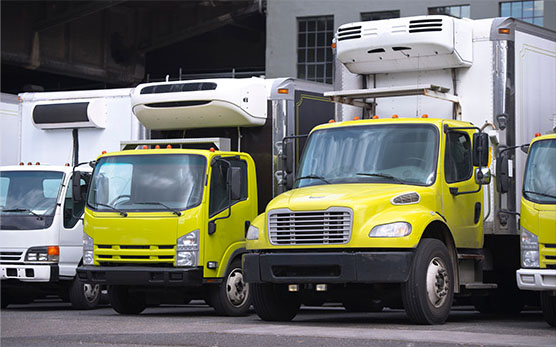
Fleet telematics is fast becoming an essential management solution for fleets working to manage safety risk and operational challenges. Telematics data, especially when used with camera systems, gives fleets direct insight into vehicle activity. This activity includes driver behavior, routing, deliveries, and scheduling. This visibility helps fleets make more informed decisions and apply targeted strategies to manage both immediate issues and longer-term challenges related to efficiency, risk reduction, and cost control.
With more than 83 percent of commercial fleets using telematics , effective analysis and application of this data play a measurable role in preventing safety incidents, reducing costs, and improving operational efficiency. This article outlines how fleets use telematics and camera systems in daily operations to improve safety and productivity.
Application of Fleet Telematics Application in Daily Operations
Telematics is used by fleets to monitor vehicle activity and driver behavior using connected vehicle technology. It captures information such as location, speed, driving events, engine status, and route activity. This level of insight allows fleet managers to review overall vehicle performance instead of isolated events.
When telematics is integrated with camera and AI safety systems, vehicle data is combined with video and on-road context. This gives fleets direct visibility into on-road conditions, making it easier to evaluate risk, interpret alerts, and connect data points.
However, reviewing large volumes of data and identifying which metrics require action remains a challenge for many fleets. Tangible improvements come from applying this data to make smarter, more informed decisions.
Here’s how fleet managers utilize telematics data to manage fleet operations:
Safety Management
Safety incidents remain a serious concern for commercial fleets. Recent data shows that more than 5,300 fatal crashes involve large trucks every year . Fleet telematics helps reduce preventable accidents by tracking driving behavior and flagging repeat patterns such as speeding, harsh braking, erratic acceleration, and extended driving hours.
Fleet managers can review this data to identify drivers, routes, or operating conditions with a higher risk. These might include road closures, low-clearance routes, heavy holiday traffic, or congested delivery zones. Fleet managers can adjust based on this information, which may involve modifying delivery timelines to prevent speeding and fatigue, revising routes to avoid congestion or hazardous conditions, or coaching drivers who show repeated unsafe behavior.
The use of safety cameras adds visual context to these reviews, offering obstacle alerts, blind-spot monitoring, and indicators of driver fatigue. Remote viewing and Video footage linked to telematics data to allow managers to see what led up to an incident, instead of relying on assumptions or incomplete information.
Research shows that telematics use has been associated with 30 to 50 percent reductions in crashes and measurable declines in speeding and risky driving behaviors. Time-stamped telematics data and video records allow fleets to verify incidents, implement targeted prevention measures, and reduce future risk, helping protect drivers, pedestrians, and overall business reputation.
Rear View Safety’s AI-camera systems can integrate with leading telematics platforms such as Samsara , Geotab , Lytx , and Netradyne. This allows fleets to connect video, vehicle data, and safety insights within their existing telematics to improve performance and reduce safety risk.
Our MobileMule AI and MobileMule™ 5200 AI DVR offer a scalable, cost-effective solution that helps fleets detect fatigue, distraction, and risky behavior before it can lead to costly incidents. With dual and four camera views, smart alerts, and activity detection and logging, these cameras store synchronized video and data so managers can coach more effectively, improve performance, and reduce long-term risk.
Compliance Management
In 2025, the Federal Motor Carrier Safety Administration (FMCSA) issued thousands of compliance violations, with average penalties ranging from about $7,700 to more than $10,000 per violation.
Fleets can use telematics to maintain accurate, automated records of vehicle activity, driving hours, inspections, and operating conditions. The logged data generates automated reports used for regulatory review, reducing the need for manual tracking and human errors that can lead to violations during audits or roadside inspections.
Telematics-integrated camera systems offer unbiased and irrefutable evidence of drivers’ actions, road conditions, and location. These measures help reduce legal risks and protect drivers, vehicles, and businesses from loss of revenue, legal expenses, and reputational damage.
Telematics data is also used to track vehicle condition and maintenance activity. Monitoring mileage, engine usage, and diagnostic indicators helps fleets schedule maintenance based on operating conditions. As a result, there is a reduced risk of mechanical failures which can lead to compliance violations or roadside downtime.
For fleet tracking and management, consider Rear View Safety’s MobileMule™ 5500 and MobileMule™ 5-Channel 1080p DVR , a highly functional mobile DVR designed for fleet vehicles, recording up to five camera feeds. These systems come with GPS, allowing fleets to record vehicle location and driving routes with video footage, with remote viewing options also available. For fleets that require higher video resolution and greater storage capacity, the MobileMule™ 5-Channel 1080p DVR offers hard drive storage with HD video recording for longer video retention and higher-quality footage.
Operational Management
Driver retention, fuel costs, and logistics remain some of the biggest challenges in fleet operations. These pressures increase operating costs, disrupt schedules, and affect business reputation. Fuel consumption accounts for roughly 30 to 40 percent of operating expenses , annual driver turnover can reach up to 89 percent , and logistics bottlenecks affect more than 75 percent of fleet operations , leading to delays and planning issues.
Integrating telematics with camera systems gives fleets a centralized way to assess route performance and delivery activity. Visibility into where delays occur, how driving behavior impacts fuel use, and how schedules affect performance allows fleets to correct inefficiencies that increase costs and disrupt planning.
Telematics consolidates fleet data, giving managers better insight into vehicle movement across routes and deliveries, vehicle weight and downtime. Route performance, delay patterns, engine usage, and recurring operating patterns help fleets plan for more accurate deliveries and maintenance before breakdowns interrupt operations.
Make Smarter, Safer Decisions with Fleet Telematics Integrated Camera Systems
The data from fleet telematics provides measurable metrics to lower costs and streamline operations. Upgrade your fleet operations with solutions designed for higher performance and safety. Predict, prevent and plan with data-based on real insights for lower expenses and higher productivity with telematics and camera systems created for fleets
For fleets committed to safety and smart growth, Rear View Safety offers a complete range of innovative camera systems in every product. With the mission to make the roads a safer place, we aim to provide our drivers with the highest quality and most personalized vehicle safety solutions.
Need help choosing the right camera system for your fleet? Use our ROI calculator to estimate how much you can save or visit the support page for quick answers. If you’d prefer to speak with someone, feel free to contact us directly.